
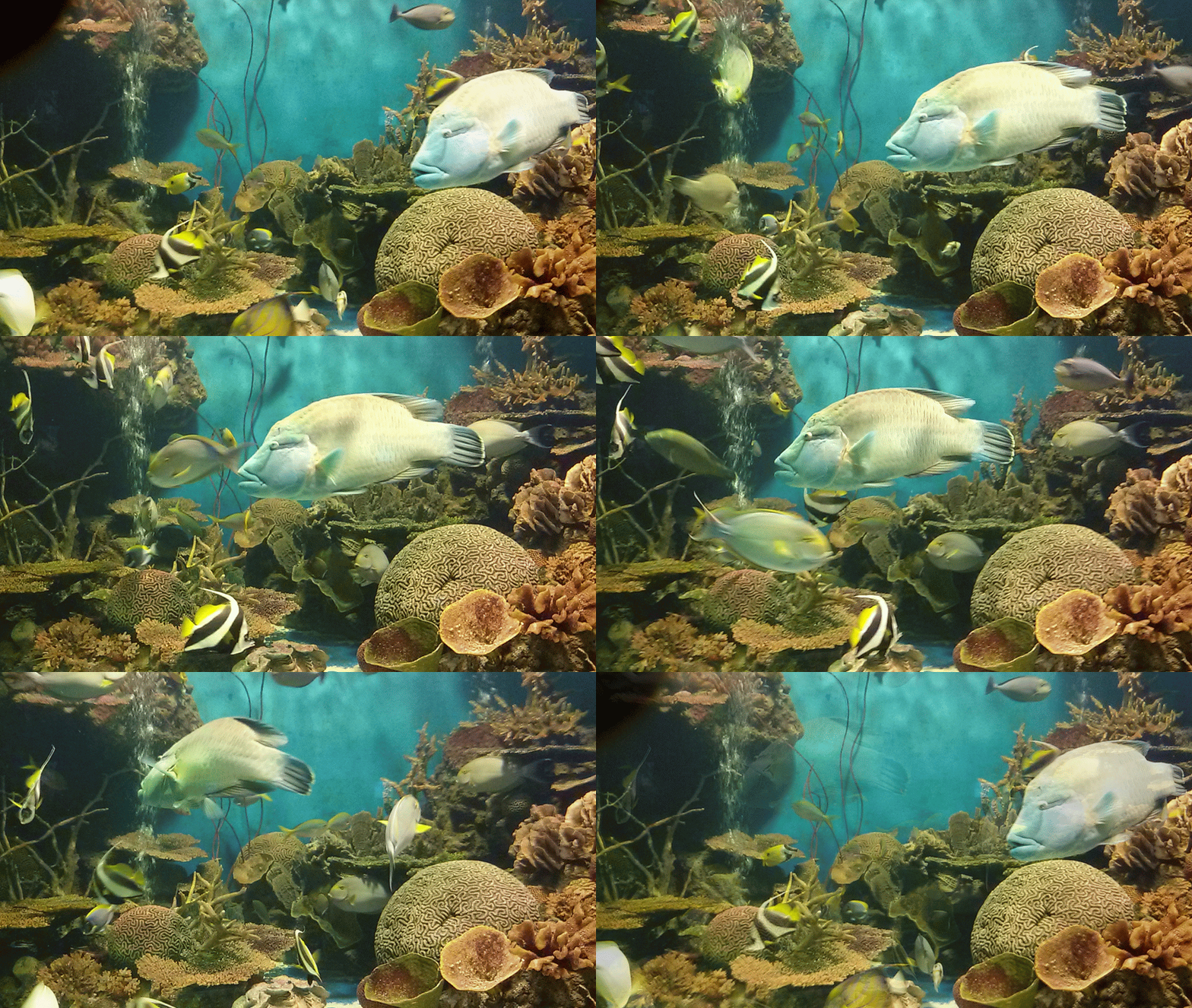
Definition: aquarium
 An aquarium is a building or glass enclosed tank where water animals
and plants are kept and displayed.
Fun Facts
1. The word "aquarium" combines Latin roots for water and a place of belonging. The word originates from the Latin adjective aquarius (derived from aqua, meaning "water") combined with the suffix -arium (meaning "a place or container for holding things"). Naturalist Philip Henry Gosse popularized the term in 1853 to describe artificial aquatic enclosures!
2. The nitrogen cycle in aquariums relies on bio-filtering bacteria. Fish produce toxic ammonia (NH3) through waste and gills. Beneficial nitrifying bacteria (Nitrosomonas and Nitrobacter) living inside biological filters convert toxic ammonia into nitrites (NO2−) and then into far less harmful nitrates (NO3−) through chemical oxidation!
3. Public aquarium viewing windows are made of massive acrylic sheets, not glass. Giant exhibit windows use polymethyl methacrylate (PMMA) acrylic rather than glass. Acrylic can be cast several feet thick to withstand tons of hydrostatic water pressure while offering high light transmittance and clear optical clarity without a greenish tint!
4. The world's largest public aquariums hold millions of gallons of water. The Chimelong Ocean Kingdom in China holds over 12 million gallons (48.7 million liters) of water across its tanks, housing massive marine species like whale sharks, manta rays, and thousands of schooling reef fish in a single giant habitat!
5. A "balanced" planted aquarium generates its own dissolved oxygen via photosynthesis. Submerged aquatic plants absorb carbon dioxide (CO2) emitted by fish respiration and use energy from full-spectrum aquarium lights to produce dissolved oxygen (O2), creating a self-sustaining miniature ecosystem!
6. Ancient Romans kept marine fish in stone tidal tanks fed by ocean currents. Around 100 AD, wealthy Romans constructed saltwater enclosures called vivaria carved into seaside rocks. These coastal pools used natural ocean tides to flush fresh seawater in and out, keeping edible fish like sea bass and moray eels alive for fresh banquets!
7. Surrealist aquariums called "aquascapes" are built using golden ratio design rules. In the art of aquascaping, aquarists use live plants, driftwoods, and stones arranged according to the mathematical golden ratio (1:1.618) and rule of thirds, creating living underwater landscapes that resemble terrestrial forests and mountains!