
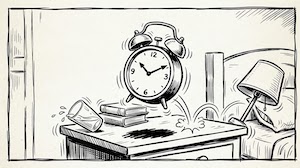
Definition: clock
 A clock is a tool that helps us know what time it is by showing hours, minutes, and
sometimes seconds.
Fun Facts
1. Ancient Sun Shadows: Long before digital screens or batteries, the very first "clocks" were sundials that used the shadow of the sun to tell what time of day it was.
2. Water and Sand Time: Ancient people also used water clocks (which measured time by water dripping steadily from one container to another) and hourglasses filled with sand to track the minutes.
3. The Magic Number 12: Most traditional analog clocks have numbers from 1 to 12 because they are based on a 12-hour cycle of the sun and moon, and 12 is a number that can be divided easily in many ways!
4. A Race Around the Face: On a standard clock, the short hand tells the hour, the long hand tells the minutes, and the skinny third hand zooms around to count the seconds.
5. 24 Hours in a Day: Even though a clock face only shows 12 numbers, our Earth takes 24 hours to spin completely around once, which is why the hour hand has to go all the way around the clock twice every single day.
6. Atomic Super-Clocks: The most accurate clocks in the world are atomic clocks, which measure time by tracking the super-fast vibrations of atoms—they are so exact they won't lose a single second in millions of years!
7. Built-In Body Clocks: Humans and animals have their own biological clocks inside their brains called circadian rhythms, which tell us when it's time to wake up, eat, and go to sleep!