Definition: island
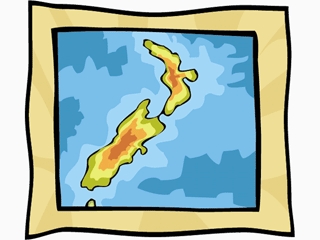
 An island is a piece of land smaller than a continent that is completely surrounded by water. They
can be found in oceans, lakes, or rivers. Islands are formed in different ways, such as by underwater volcanoes, rising
sea levels separating land, or by coral reefs.
Fun Facts
1. Some Islands Are Underwater Mountains: Many oceanic islands, like Hawaii, are actually the very tops of gigantic volcanoes rising all the way up from the dark ocean floor!
2. Greenland Is the Biggest Island on Earth: Greenland is the world's largest island, covering over 800,000 square miles (2.1 million sq km)—and almost 80% of it is covered in a massive thick ice sheet.
3. Australia Is Too Big to Be an Island: Even though Australia is completely surrounded by water, scientists classify it as a continental landmass rather than an island because of its massive size!
4. Islands Can Be Built by Tiny Animals: Coral islands (or cays) form over thousands of years as tiny sea creatures called coral polyps build massive reefs, which eventually trap sand and sediment to form land above the water.
5. A Single Country Has Over 200,000 Islands: Sweden holds the world record for having the most islands—an incredible total of around 267,000, though only about 1,000 of them have people living on them!
6. New Islands Are Born overnight: When an underwater volcano erupts near the surface, cooling lava can pile up so fast that a brand-new island rises out of the ocean in just a few days or weeks.
7. Islands Have Unique Wildlife: Because islands are separated from the mainland by water, animals living on them often evolve in unique ways—like giant tortoises in the Galápagos or tiny miniature deer on island chains.