
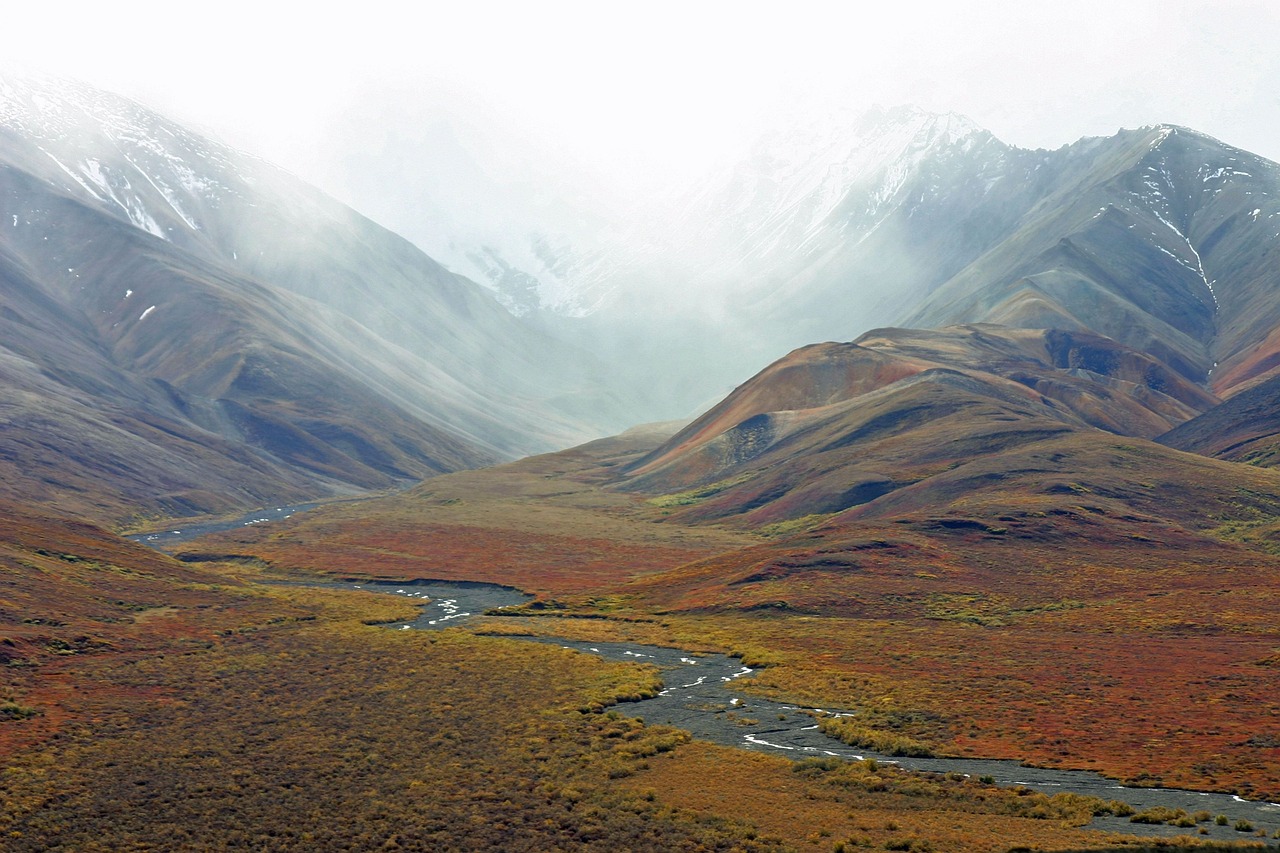
Definition: tundra
 The tundra is one of the huge plains in the arctic regions of North America, Europe, and Asia.
Trees do not grow on tundra.
Fun Facts
1. The Frozen Desert: The tundra is one of the coldest, harshest biomes on Earth. Even though it gets snow, it is actually considered a desert because it gets very little rain or snowfall each year!
2. Permafrost Ground: Underneath a thin layer of soil that melts in the summer, the ground in the tundra is permanently frozen solid year-round. This frozen underground layer is called permafrost.
3. Tree-Free Zone: Because the ground is frozen solid most of the year, tree roots cannot grow deep into the dirt. That is why you won't find any tall trees in the tundra—only short, hardy plants like mosses, lichens, and tiny dwarf shrubs.
4. The Midnight Sun: Tundra regions (like parts of Alaska, Canada, and Russia) are located way up north near the Arctic Circle. In the summer, the sun barely sets, giving them 24 hours of daylight, while in the winter, the sun barely rises and it stays dark for months!
5. Built-In Winter Coats: The animals that live in the tundra have amazing adaptations to survive the freezing cold. Many animals, like the Arctic fox and Arctic hare, grow thick fur coats that turn completely white in the winter to blend in with the snow.
6. Pit Stop for Birds: Millions of migratory birds fly thousands of miles to the tundra every summer. They come because those summer bugs and blooming plants make it a great, safe place to lay eggs and raise their chicks.
7. Super-Cooled Mammals: Big, shaggy animals like muskoxen live in the tundra. They have two layers of fur—a long outer coat and a super-soft, warm undercoat—that keep them cozy even when wind chills drop below minus 50 degrees!