
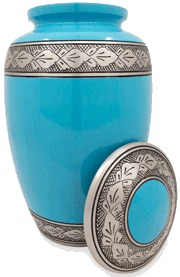
Definition: urn
 An urn is a large vase with a base, sometimes used to contain the cremated
remains of deceased persons.
Fun Facts
1. The word "urn" comes from an ancient Latin word meaning "to burn." The term originates from the Latin word urna, which comes from urere (meaning "to burn"). Early urns were often ceramic containers baked in fiery kilns or used to store ashes after fire ceremonies!
2. Ancient Greeks used large urns called amphorae to store food and oil. Thousands of years ago in ancient Greece, large pottery urns with two handles—called amphorae—were used like giant modern storage tubs. Merchants sealed olive oil, wine, grain, and honey inside these clay urns to trade them across the Mediterranean Sea on ships.
3. In ancient Rome, decorative urns were used as official voting ballot boxes. Roman citizens didn't use paper ballots when voting for laws or leaders! Instead, they wrote their votes on small wooden tablets or clay tokens and dropped them into specialized voting urns called cistas to ensure a fair count.
4. Clay urns preserve artifacts for thousands of years by sealing out oxygen. Because baked clay ceramics do not rust or decay, ancient urns act like time capsules! When buried underground, sealed urns block out moisture and oxygen, preserving ancient coins, scrolls, and seeds in perfect condition for modern archaeologists to discover.
5. Coffee urns use percolating heat to brew dozens of cups at once. Large metal coffee urns seen at events rely on thermal convection! Water at the bottom heats up, boils through a central tube, sprays over coffee grounds at the top, and trickles back down to create a continuous brewing cycle for big crowds.
6. Tea urns called samovars have built-in heating chimneys. In Eastern Europe and Russia, traditional metal urns called samovars feature a vertical metal pipe running right through the center of the water tank. Charcoal or glowing coals placed inside the pipe heat the surrounding water quickly using direct thermal transfer!
7. The famous poem "Ode on a Grecian Urn" celebrates art freezing time. In 1819, famous poet John Keats wrote a celebrated poem inspired by painted Greek urns. He pointed out how the artwork painted on the clay urn "freezes" storybook scenes forever—keeping musicians, trees, and dancers young and unchanged through thousands of years!