
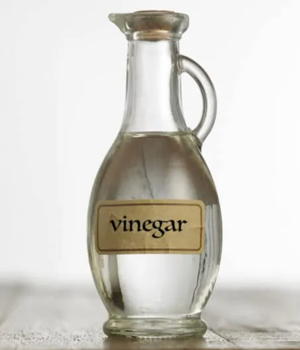
Definition: vinegar
 Vinegar is a sour liquid formed when wine, cider, or malt ferments (the chemical change of
a sugar into alcohol). It is used to flavor or preserve food.
Fun Facts
1. The accidental invention: The word "vinegar" comes from the Old French vin aigre, which literally translates to "sour wine." It was discovered by accident thousands of years ago when wine was left out too long and fermented a second time with bacteria.
2. Ancient miracle medicine: Hippocrates, the father of modern medicine, prescribed apple cider vinegar mixed with honey around 400 BC to treat coughs, colds, and skin wounds.
3. The ultimate pearl cocktail: According to legend, Cleopatra won a bet against Mark Antony that she could host the most expensive meal in history. She dissolved a massive, priceless pearl earring in a cup of high-acid vinegar and drank it.
4. Balsamic is aged like fine wine: Traditional Balsamic Vinegar of Modena isn't made from wine; it's made from cooked grape juice (must) and aged in wood barrels for a minimum of 12 years—sometimes up to 25 years or more.
5. It never expires: Because of its high acidity (pH of 2 to 3), white distilled vinegar is self-preserving. It can sit in your pantry indefinitely without spoiling or growing harmful bacteria.
6. Plague protection: During the Black Plague, a group of thieves allegedly robbed the dead without getting infected. Their secret? "Four Thieves Vinegar," a brew infused with garlic, herbs, and spices that they rubbed on their hands and faces to ward off disease.
7. Nectar of the gods (and Roman soldiers): Ancient Roman soldiers drank posca, a daily ration made by mixing water with sour vinegar. It was safer to drink than plain water, provided vitamin C, and kept the troops hydrated.