
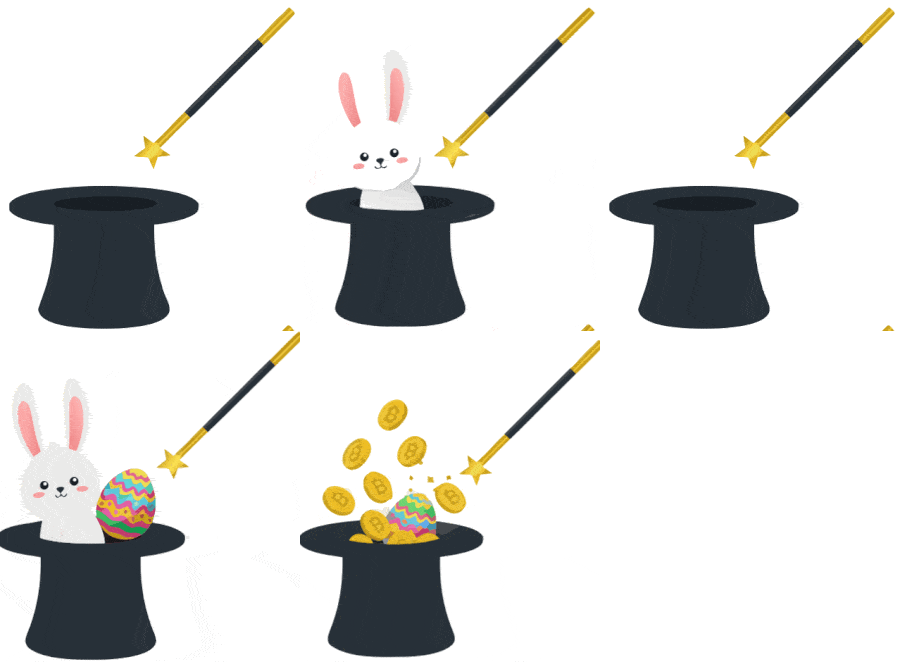
Definition: wand
 A wand is a thin stick or rod used by people such as magicians, as in "The magician
waved his wand and pulled a rabbit out of a hat."
Fun Facts
1. The word "wand" comes from an ancient Norse word for a flexible shoot or rod. The word originates from the Old Norse term vondr, which means "rod," "flexible stick," or "shoot of a tree." It shares ancient roots with the Proto-Germanic word wanduz, referring to slender wooden branches used in weaving!
2. The earliest historical wands were apotropaic ritual rods carved from ivory. In Ancient Egypt (around 2000 BC), priests and families carved curved apotropaic wands out of hippopotamus ivory. Carved with protective deities, these ritual rods were waved in circle patterns to ward off venomous snakes and bad spirits!
3. Stage magicians use black wands with white tips for visual misdirection. Traditional illusionists use black wands with white tips to control visual focus. High-contrast tips draw the audience's eyes directly to the white end, allowing the magician's other hand to perform sleight-of-hand movements unnoticed!
4. Conductors use orchestral batons to synchronize musical tempo. Orchestral conductor wands, called batons, serve as visual amplifiers! Made of lightweight fiberglass, wood, or carbon fiber, the baton expands the conductor's arm movements so dozens of musicians across a giant stage can instantly visually match the beat (tempo) and dynamics.
5. The modern fairy godmother wand was popularized by 19th-century theater. Traditional folklore fairies usually used magic rings, cloaks, or flower stems! The classic star-tipped wand became a universal symbol during 1800s Victorian stage pantomimes, where stagehands needed visible props to signal sudden transformation scenes to audiences in large theaters.
6. Dowsing wands rely on subconscious muscle twitches called the ideomotor effect. Historically, people used Y-shaped wooden wands to search for underground groundwater (called dowsing). While dowsers believed subterranean water pulled the stick down, scientists proved the motion is caused by the ideomotor effect—unconscious micro-muscle twitches triggered by expectations!
7. Ancient Greek myths featured the caduceus, a famous wand wrapped in snakes. In Greek mythology, the messenger god Hermes carried a magical golden wand called the caduceus, which featured two entwined snakes topped with wings. It symbolized peace, trade, and swift movement across realm boundaries!